

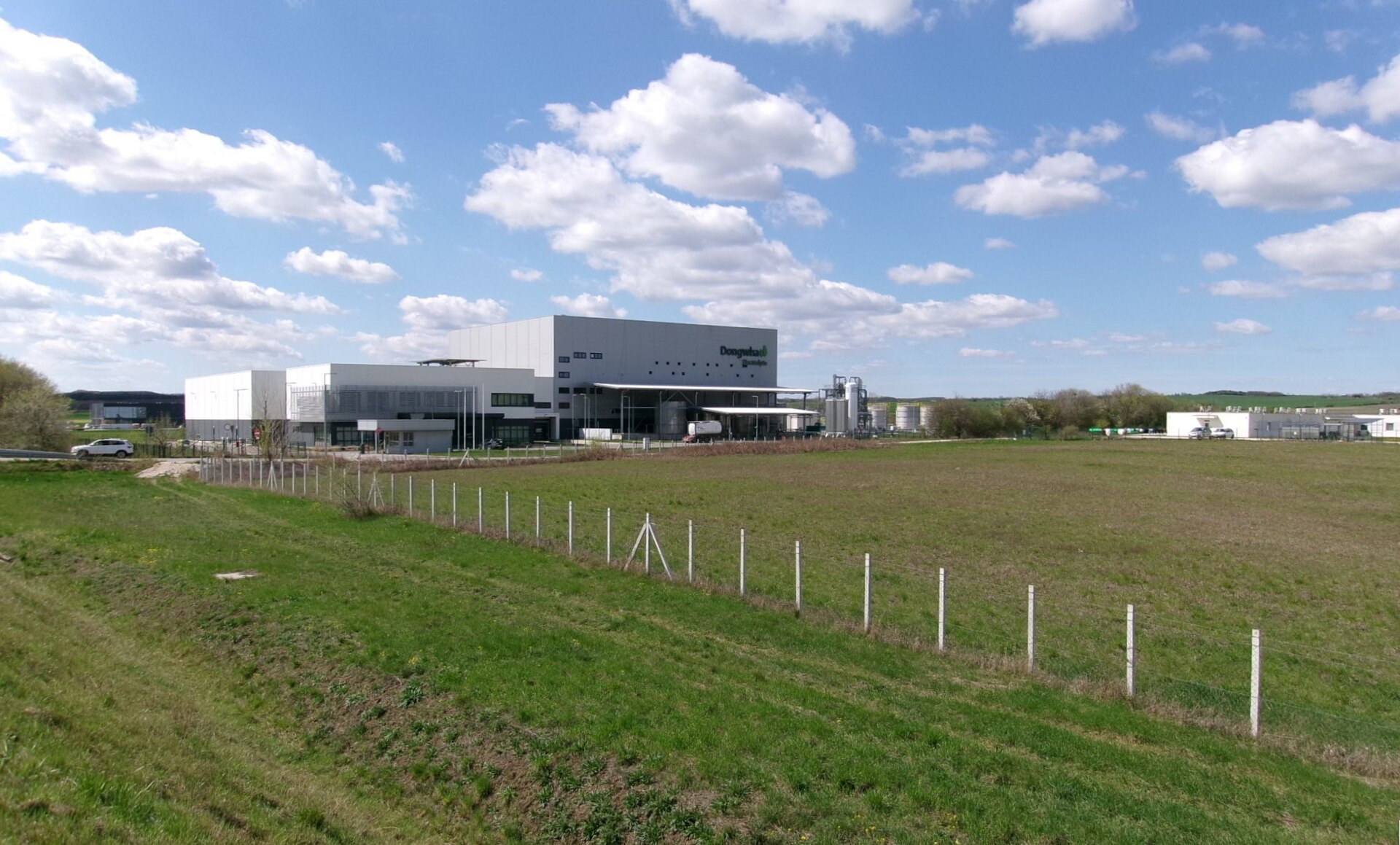
EV Battery Recycling Is Coming of Age at Exactly the Right Moment
Every electric car carries a quiet question in its floorpan: what happens to the battery when the car is done? For years the honest answer was storage yards, exports and hope. That is changing quickly. A generation of recycling plants — using shredding, chemical separation and, increasingly, gentler direct-recycling methods — can now recover more than 95 per cent of the lithium, nickel, cobalt and manganese in a spent pack, and the first large wave of end-of-life EV batteries is arriving just as those plants reach industrial scale. More background sits in our Blog section, where we follow the business side of the energy transition.
The timing matters because the alternative is expensive and geopolitically awkward. Mining new lithium and nickel is carbon-intensive, concentrated in a handful of countries, and exposed to price swings that have whipsawed carmakers’ plans. Recycled material, by contrast, is an urban mine: the metals are already refined, already in the country, and already paid for once. Analysts at the International Energy Agency expect recycled feedstock to supply a meaningful share of battery-metal demand by the 2040s, and regulators in Europe have moved first, requiring minimum recycled content in new batteries later this decade.
From Black Mass to New Cathodes
The workhorse process begins with discharge and dismantling, then shredding under inert conditions to produce a powdery concentrate known in the trade as black mass. Hydrometallurgical plants dissolve that mass and precipitate out metal salts pure enough to feed straight back into cathode production — closing the loop from old battery to new battery in a matter of weeks. A newer school, direct recycling, tries to preserve the cathode’s crystal structure rather than melting it down to atoms, which promises lower energy bills and higher margins if it can be scaled reliably.
Second-life uses fill the gap before recycling. Packs retired from cars at around 80 per cent of original capacity can serve for years as stationary storage for homes, businesses and grids, and a busy marketplace of testing firms has grown up to grade and warranty them. The result is a cascade — car, then building, then smelter — that squeezes far more value from each tonne of mined metal than the industry managed even five years ago.
Why It Is Still Hard
Honest obstacles remain. Battery designs vary wildly between manufacturers, glued and sealed in ways that make automated dismantling difficult; a standardisation push is under way but slow. Collection logistics are patchy — a dead pack is hazardous goods, expensive to ship — and the economics wobble whenever virgin metal prices dip, because recycled output must compete on cost as well as virtue. Coverage of those price cycles from Reuters shows investors betting that regulation, not goodwill, will keep the loop closed.
Policy is quietly rearranging the incentives underneath the technology. Extended producer responsibility rules in several markets make carmakers financially answerable for their batteries at end of life, which turns recycling from a favour into a supply contract signed at the factory gate. Battery passports — digital records of a pack’s chemistry, history and state of health — are being introduced to make grading and resale trustworthy, and a pack with a documented past is worth more at every stage of the cascade. Insurers and fleet operators, who between them retire vehicles in bulk, have become prized partners for recyclers precisely because they can deliver predictable volumes of known batteries, rather than a trickle of mysteries.
Even so, the direction is unmistakable. What was a public-relations annex to the EV story has become an industry with its own giants, its own technology race and its own claim on the future car fleet: a vehicle whose battery is not buried at the end of its life, but reborn in the next one. For a sector built on replacing the old, that may be its most radical idea yet.
